Ferrograd Folic Tablets - 30
Ferrograd Folic Tablets for Iron and Folate Deficiency
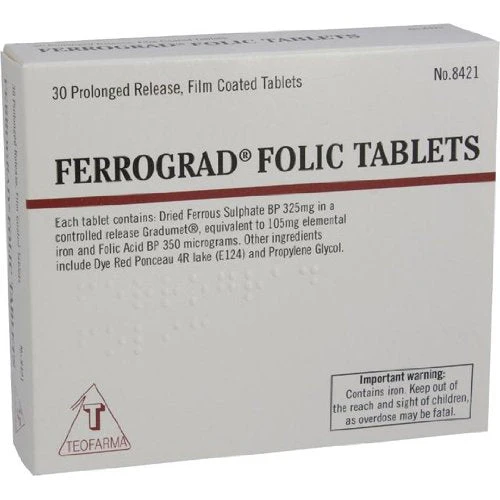
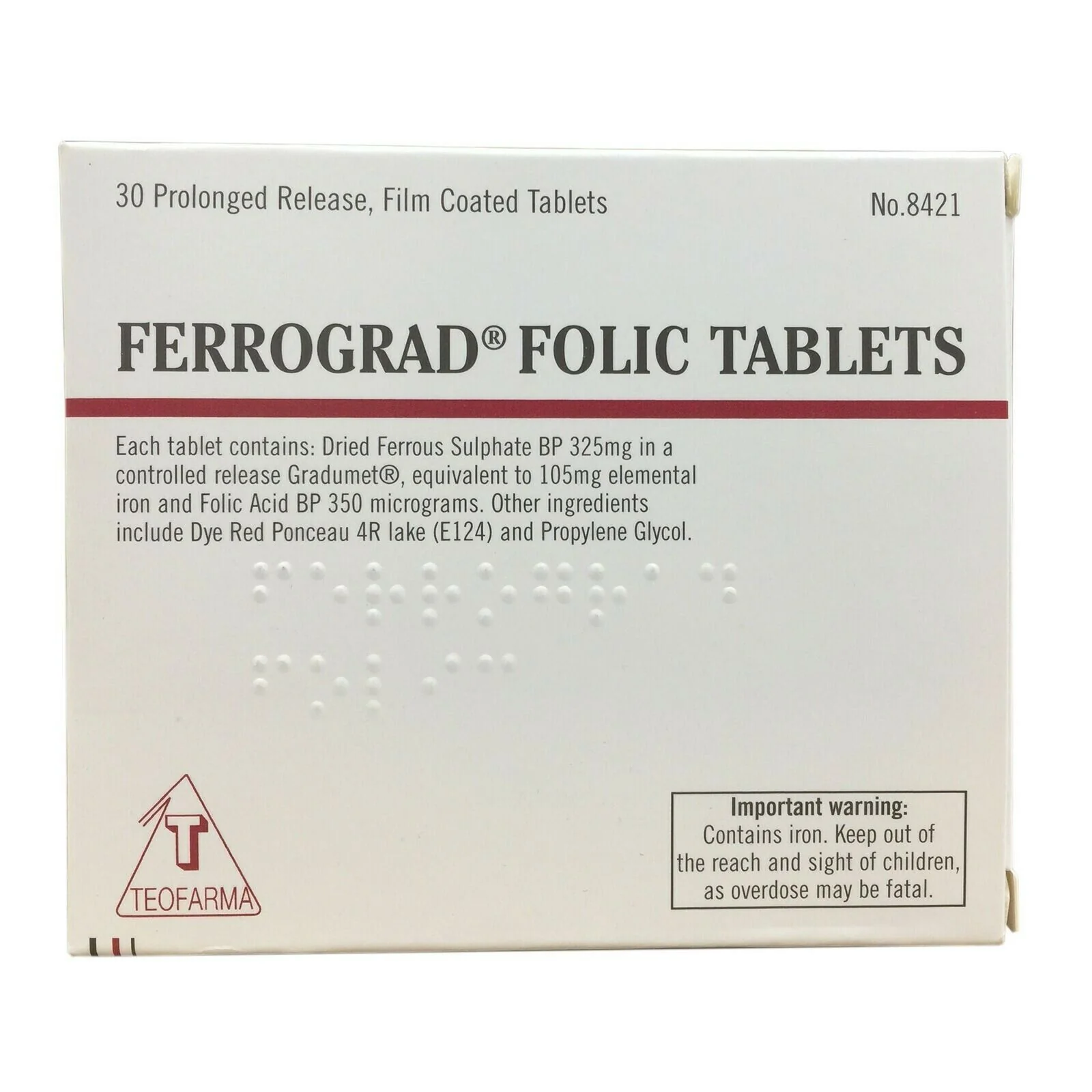
You can use Ferrograd Folic tablets to treat iron deficiency anaemia when you also need additional folic acid. Each tablet contains ferrous sulphate equivalent to 105mg of elemental iron combined with 350 micrograms of folic acid. This combination addresses both iron and folate deficiencies simultaneously, which commonly occur together during pregnancy or in people with poor dietary intake.
The tablets use a controlled-release formulation that delivers iron gradually throughout your digestive system. This approach helps reduce common side effects like stomach upset and nausea that can occur with standard iron supplements. You should take one tablet daily, preferably on an empty stomach, though you can take it with food if stomach irritation occurs.
How Iron and Folic Acid Work Together in Your Body
Iron plays an essential role in forming haemoglobin, the protein in your red blood cells that carries oxygen around your body. When you have insufficient iron, your body cannot produce enough healthy red blood cells, leading to iron deficiency anaemia. Folic acid supports the production and maturation of red blood cells in your bone marrow.
The combination of iron and folic acid in ferrograd folic tablets ensures your body has both nutrients needed for optimal red blood cell formation. Folic acid also supports normal cell division and helps prevent neural tube defects during pregnancy. Your body absorbs iron more effectively when taken with vitamin C, so you might consider taking your tablet with orange juice or vitamin C supplements.
Who Should Consider Ferrograd Folic Tablets
These tablets suit adults who have been diagnosed with iron deficiency anaemia and also require folic acid supplementation. Your doctor may recommend this combination if blood tests show low levels of both iron and folate. Pregnant women often need both nutrients, as pregnancy increases requirements for iron and folic acid significantly.
Ferrograd Folic tablets may be appropriate if you experience:
- Fatigue and weakness due to iron deficiency anaemia
- Heavy menstrual periods that deplete iron stores
- Poor dietary intake of iron-rich foods and folate
- Pregnancy when additional iron and folic acid are needed
You should have your iron and folate levels checked through blood tests before starting treatment. This helps your healthcare provider determine the appropriate duration of supplementation and monitor your response to treatment. Browse our complete range of vitamins and supplements for additional nutritional support options.
Why Choose Controlled-Release Iron Formulation
The controlled-release technology in Ferrograd tablets helps minimise gastrointestinal side effects commonly associated with iron supplementation. Standard iron tablets can cause stomach irritation, constipation, and nausea because they release all their iron content quickly in your stomach. The gradual release system spreads iron absorption over several hours.
This formulation allows better tolerance while maintaining effective iron absorption. You may experience fewer digestive complaints compared to immediate-release iron preparations. The sustained release also means you only need to take one tablet daily, improving convenience and compliance with your treatment regimen.
Storage and Clinical Considerations
Store your tablets in a cool, dry place below 25°C and keep them in the original packaging to protect from light and moisture. Keep all medicines away from children, as iron overdose can be particularly dangerous in young children. Take your tablets at least two hours apart from tea, coffee, dairy products, or antacids, as these can reduce iron absorption.
Your doctor will typically monitor your blood levels after 2-3 months of treatment to assess your response. Some people may need to continue supplementation for several months after their blood levels normalise to replenish iron stores. If you experience persistent stomach upset, black stools, or constipation, discuss these effects with your pharmacist or doctor. Consider exploring our women's health section for additional support during pregnancy or menstruation-related iron deficiency.
This product is a medicine. Speak to your doctor or pharmacist before using if you have an underlying medical condition or are taking other medicines.
Description
Ferrograd Folic Tablets for Iron and Folate Deficiency
You can use Ferrograd Folic tablets to treat iron deficiency anaemia when you also need additional folic acid. Each tablet contains ferrous sulphate equivalent to 105mg of elemental iron combined with 350 micrograms of folic acid. This combination addresses both iron and folate deficiencies simultaneously, which commonly occur together during pregnancy or in people with poor dietary intake.
The tablets use a controlled-release formulation that delivers iron gradually throughout your digestive system. This approach helps reduce common side effects like stomach upset and nausea that can occur with standard iron supplements. You should take one tablet daily, preferably on an empty stomach, though you can take it with food if stomach irritation occurs.
How Iron and Folic Acid Work Together in Your Body
Iron plays an essential role in forming haemoglobin, the protein in your red blood cells that carries oxygen around your body. When you have insufficient iron, your body cannot produce enough healthy red blood cells, leading to iron deficiency anaemia. Folic acid supports the production and maturation of red blood cells in your bone marrow.
The combination of iron and folic acid in ferrograd folic tablets ensures your body has both nutrients needed for optimal red blood cell formation. Folic acid also supports normal cell division and helps prevent neural tube defects during pregnancy. Your body absorbs iron more effectively when taken with vitamin C, so you might consider taking your tablet with orange juice or vitamin C supplements.
Who Should Consider Ferrograd Folic Tablets
These tablets suit adults who have been diagnosed with iron deficiency anaemia and also require folic acid supplementation. Your doctor may recommend this combination if blood tests show low levels of both iron and folate. Pregnant women often need both nutrients, as pregnancy increases requirements for iron and folic acid significantly.
Ferrograd Folic tablets may be appropriate if you experience:
- Fatigue and weakness due to iron deficiency anaemia
- Heavy menstrual periods that deplete iron stores
- Poor dietary intake of iron-rich foods and folate
- Pregnancy when additional iron and folic acid are needed
You should have your iron and folate levels checked through blood tests before starting treatment. This helps your healthcare provider determine the appropriate duration of supplementation and monitor your response to treatment. Browse our complete range of vitamins and supplements for additional nutritional support options.
Why Choose Controlled-Release Iron Formulation
The controlled-release technology in Ferrograd tablets helps minimise gastrointestinal side effects commonly associated with iron supplementation. Standard iron tablets can cause stomach irritation, constipation, and nausea because they release all their iron content quickly in your stomach. The gradual release system spreads iron absorption over several hours.
This formulation allows better tolerance while maintaining effective iron absorption. You may experience fewer digestive complaints compared to immediate-release iron preparations. The sustained release also means you only need to take one tablet daily, improving convenience and compliance with your treatment regimen.
Storage and Clinical Considerations
Store your tablets in a cool, dry place below 25°C and keep them in the original packaging to protect from light and moisture. Keep all medicines away from children, as iron overdose can be particularly dangerous in young children. Take your tablets at least two hours apart from tea, coffee, dairy products, or antacids, as these can reduce iron absorption.
Your doctor will typically monitor your blood levels after 2-3 months of treatment to assess your response. Some people may need to continue supplementation for several months after their blood levels normalise to replenish iron stores. If you experience persistent stomach upset, black stools, or constipation, discuss these effects with your pharmacist or doctor. Consider exploring our women's health section for additional support during pregnancy or menstruation-related iron deficiency.
This product is a medicine. Speak to your doctor or pharmacist before using if you have an underlying medical condition or are taking other medicines.